Navigation
References
Seeking solutions for a sustainable future? Our global community urgently needs innovative and inclusive policy solutions to resolve conflict, prevent war, and cultivate a lasting culture of peace.
The good news? Such policies do exist! The World Future Policy Award (WFPA) was created to recognise policies offering innovative, scalable, and inspiring solutions for present and future generations. As the world’s foremost policy prize, we highlight top policy achievements driving global action, rather than awarding individuals, organisations or governments.
Each award cycle focuses on a critical issue where policy progress is urgently needed. In 2024, the 13th WFPA centred on Peace and Future Generations – two areas in which the World Future Council has played a significant role over decades in shaping policy development and driving advocacy.

Overview - The World Future Policy Award 2024
From 47 nominations across 29 countries, our expert jury selected 12 outstanding finalists for the 2024 World Future Policy Award – each recognised for exceptional contributions to sustainable peacebuilding. From these 12 finalists, we chose five Award Winners, three Honourable Mentions, and one Vision Award recipient. Three other policies narrowly missed an Award but, as finalists, also merit international recognition. These policies offer more than just hope for a peaceful world; they provide a practical blueprint for policymakers worldwide, with adaptable solutions to today’s complex challenges.
Click "Accept" to load the video from YouTube. YouTube may collect personal data as described in their privacy policy.
Winners

Canada’s Feminist International Assistance Policy (FIAP)
Launched in 2017, Canada’s FIAP champions gender equality through a feminist approach in line with United Nations Security Council Resolution 1325. Addressing systemic inequalities, FIAP empowers women and girls and has been implemented in countries such as Iraq, Senegal and Afghanistan. The policy strengthens women’s rights, supports women-led social justice and humanitarian efforts, assists survivors of violence, and promotes economic empowerment and climate adaptability - all contributing to greater stability and social cohesion.
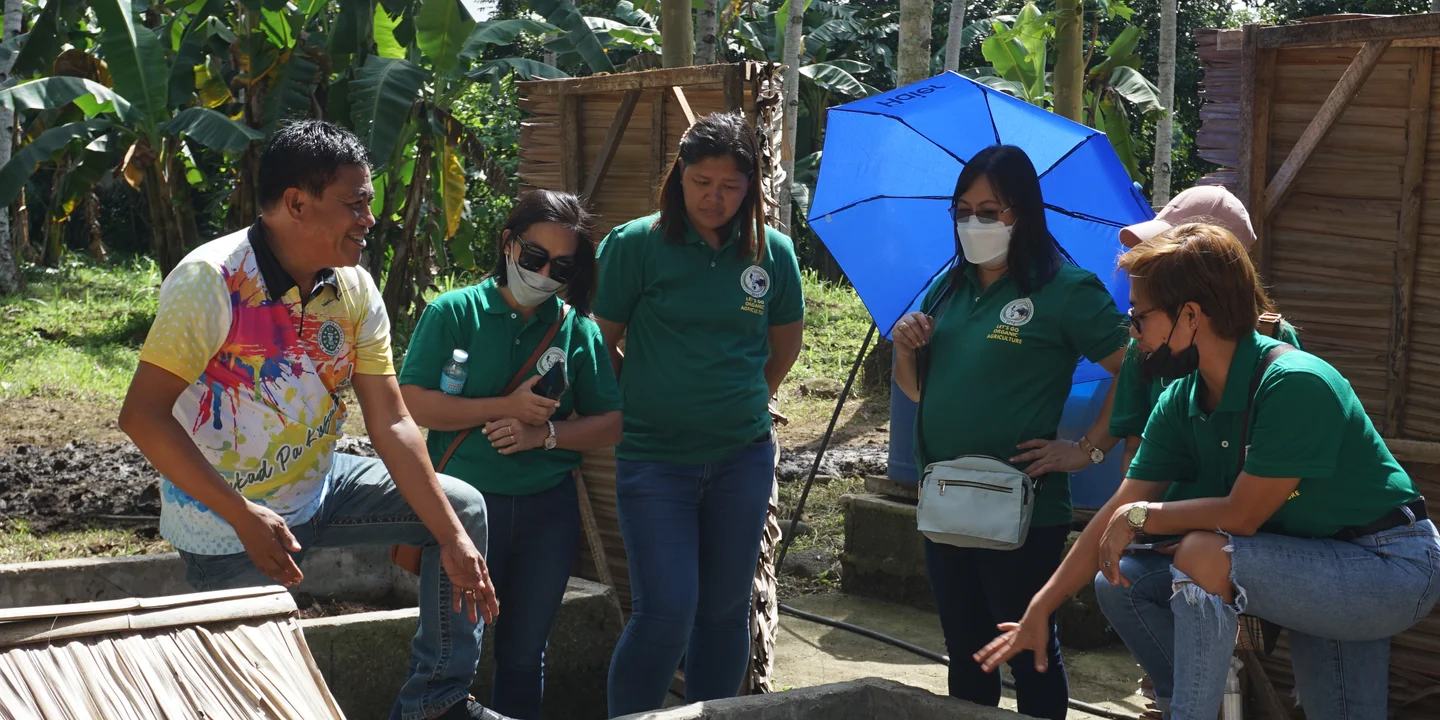
Kauswagan’s ‘From Arms to Farms’ Programme
Since 2010, this transformative programme has turned conflict zones in Kauswagan, Philippines, into peaceful, thriving communities through demilitarisation and development of sustainable agriculture. Under Mayor Rommel C. Arnado's visionary leadership, the programme addresses the root causes of conflict - poverty, distrust in governance, and historical inequalities, and assists the re-integration of former rebel-soldiers into civilian life. By reducing poverty, increasing food security, and fostering reconciliation between Christian and Muslim communities, it stands as a powerful model for integrating peacebuilding and demilitarisation with sustainable development.
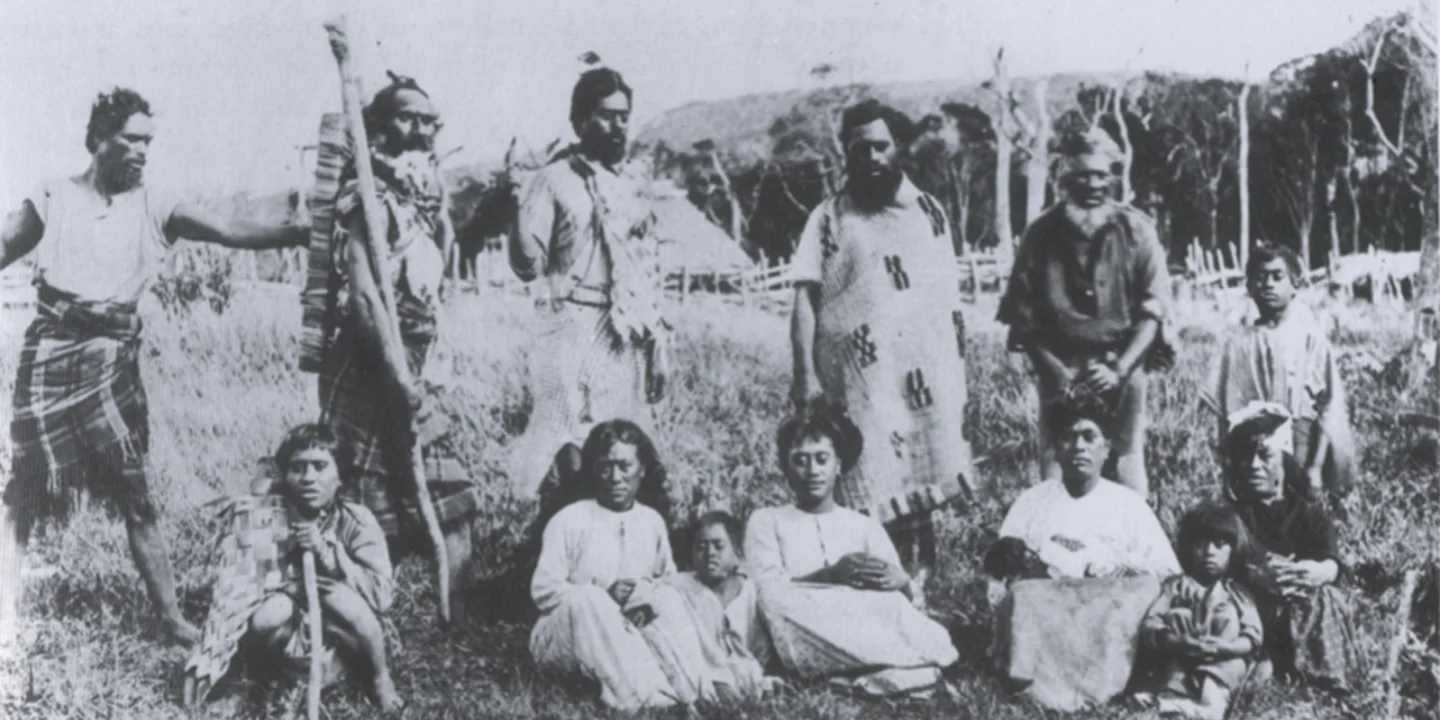
The Moriori Peace Covenant (Nunuku’s Law)
Established in the 15th century, Nunuku's Law embodies an extraordinary commitment to peace and stands as a powerful symbol of resilience. This indigenous customary law forbade violence among the Moriori of Rēkohu (Chatham Islands, New Zealand). Despite enduring long periods of external aggression, the Moriori have upheld their vow of non-violence, making it one of the world’s longest-standing unbroken peace covenants. Today, it inspires Moriori cultural revival and serves as an exemplary model for intergenerational peacebuilding.

The Well-being of Future Generations Act (Wales) 2015
This pioneering legislation requires Welsh public bodies to embed sustainable development in their actions, ensuring legal accountability for decisions that impact future generations. Focused on improving economic, environmental, cultural and social well-being, it establishes Wales as a leader in holistic, forward-looking policy. The Future Generations Commissioner reinforces these aims by promoting long-term thinking and tracking public bodies’ progress in achieving their well-being objectives towards national well-being goals.
All Winners WFPA 2024
"This year's winners demonstrate that bold, future-oriented policies are not only possible but essential for ensuring peace, justice, and sustainability for generations to come."
María Fernanda Espinosa, 73rd President of the UN General Assembly & Jury Member World Future Policy Award 2024
Honourable Mentions
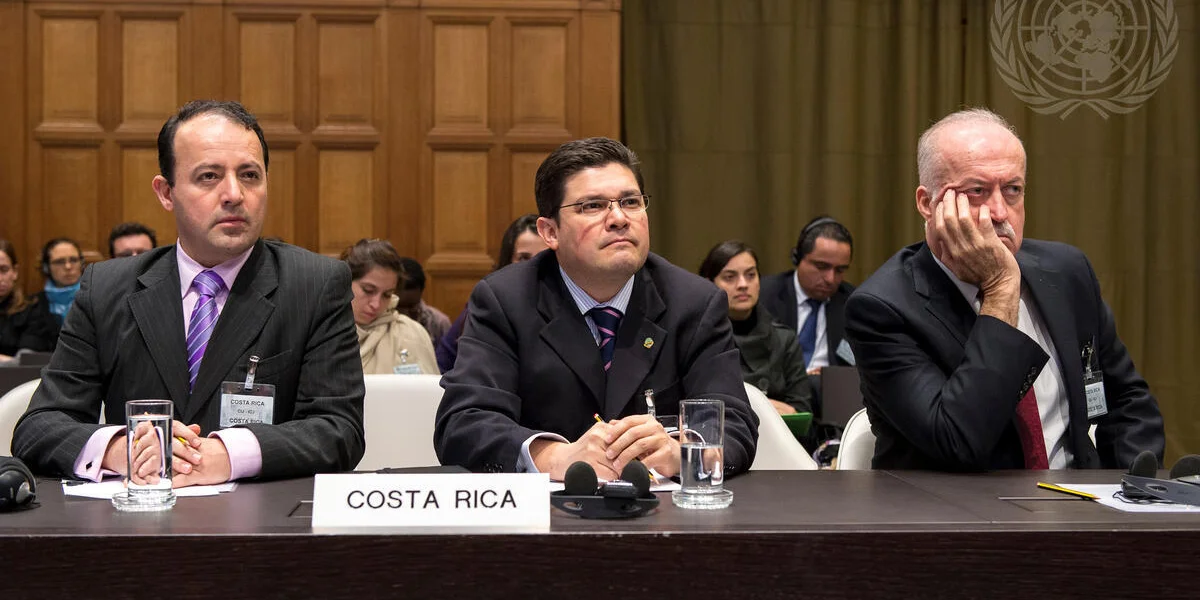
Costa Rica’s Abolition of the Army (1948) and Affirmation of Active Neutrality (1983 and 2014): A Clear Path to Regional and International Peace
Costa Rica’s decision to abolish its army in 1948 - enshrined in its Constitution - its declarations of active neutrality in 1983 and 2014, and the decisions of the Costa Rica Supreme Court in 2004 and 2008 affirming these policies as part of the constitutional legal framework of Costa Rica, have established the country as a regional and global peace leader. Redirecting military funds to social development, Costa Rica has championed diplomacy, resolving disputes at the International Court of Justice, leading the Central American Peace Process and UN peace initiatives like the adoption of the UN Declaration on the Right to Peace, and the Treaty on the Prohibition of Nuclear Weapons. Through this commitment, Costa Rica’s neutrality has reinforced regional stability, democracy, and a lasting culture of peace.
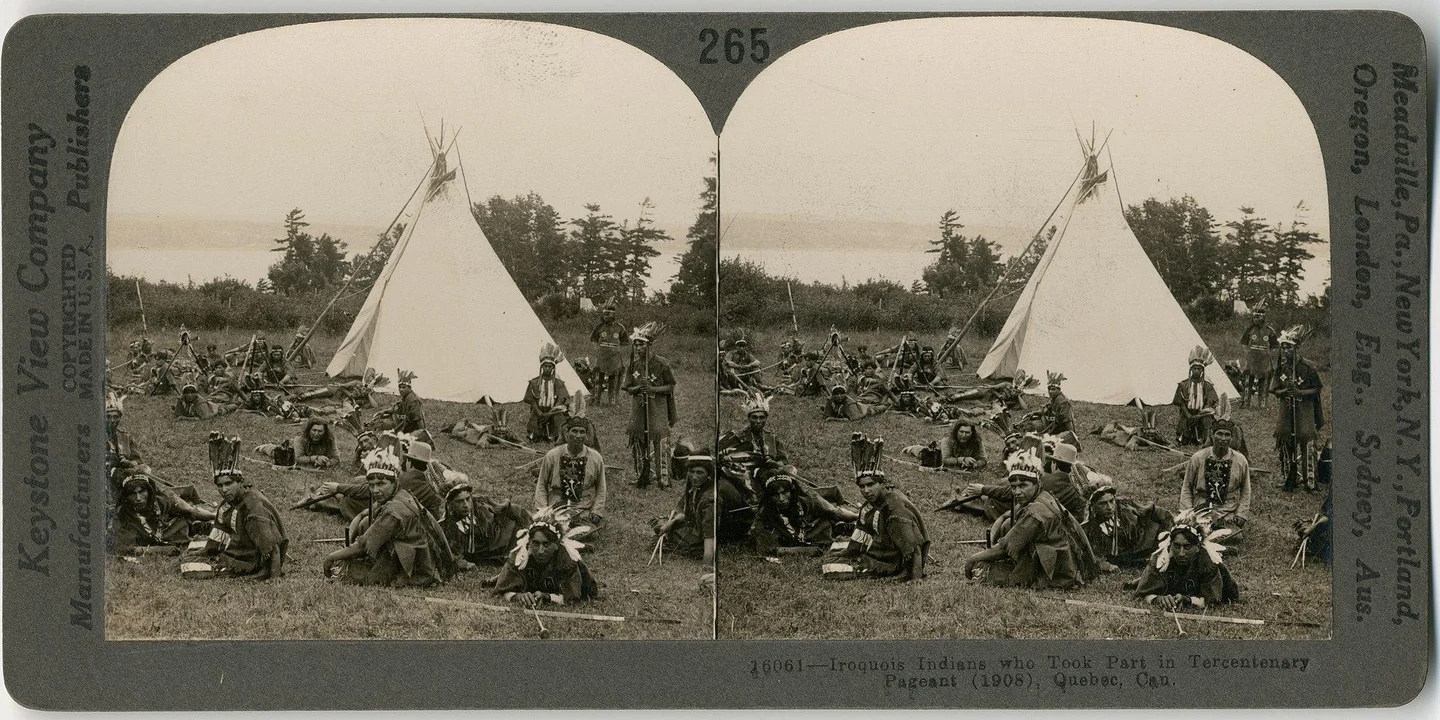
The Great Law of Peace of the Haudenosaunee Confederacy - Gaya•neñ•hsä•’gó•nah/Kaianere'ko:wa
The Great Law of Peace, established by the Haudenosaunee Confederacy in the 12th-13th centuries, ended armed conflict between the six Haudenosaunee nations and united them under a governance system rooted in peace, consensus, and sustainability. Still practised today, it also embraces gender equity, restorative justice, and environmental stewardship, fostering intergenerational responsibility. Recognised as a model for democratic, federal governance, it provides a foundation for Haudenosaunee leaders in advancing indigenous rights globally, including contributions to the UN Declaration on the Rights of Indigenous Peoples.

Supporting Bougainvillean-Owned Peace: The New Zealand-Led Pacific Partnership for Peace Monitoring and Mediation (1997-1998)
The Bougainville peace process is a uniquely successful example of regionally supported, locally-led conflict resolution. The New Zealand-led Pacific Partnership for Peace (1997-1998) played a key role in this process after nearly a decade of civil war. The initiative's main components, the Burnham Talks and the Truce Monitoring Group, used a 'light intervention' approach characterised by inclusivity, cultural sensitivity, unarmed truce monitoring, and diplomacy. This policy contributed to a sustainable, locally-led ceasefire and stabilisation of the conflict.
"It is our sacred duty to invest in a culture of peace. It is a duty we owe to both our ancestors and to future generations of life on Earth!"
Neshan Gunasekera, CEO World Future Council
Vision Award
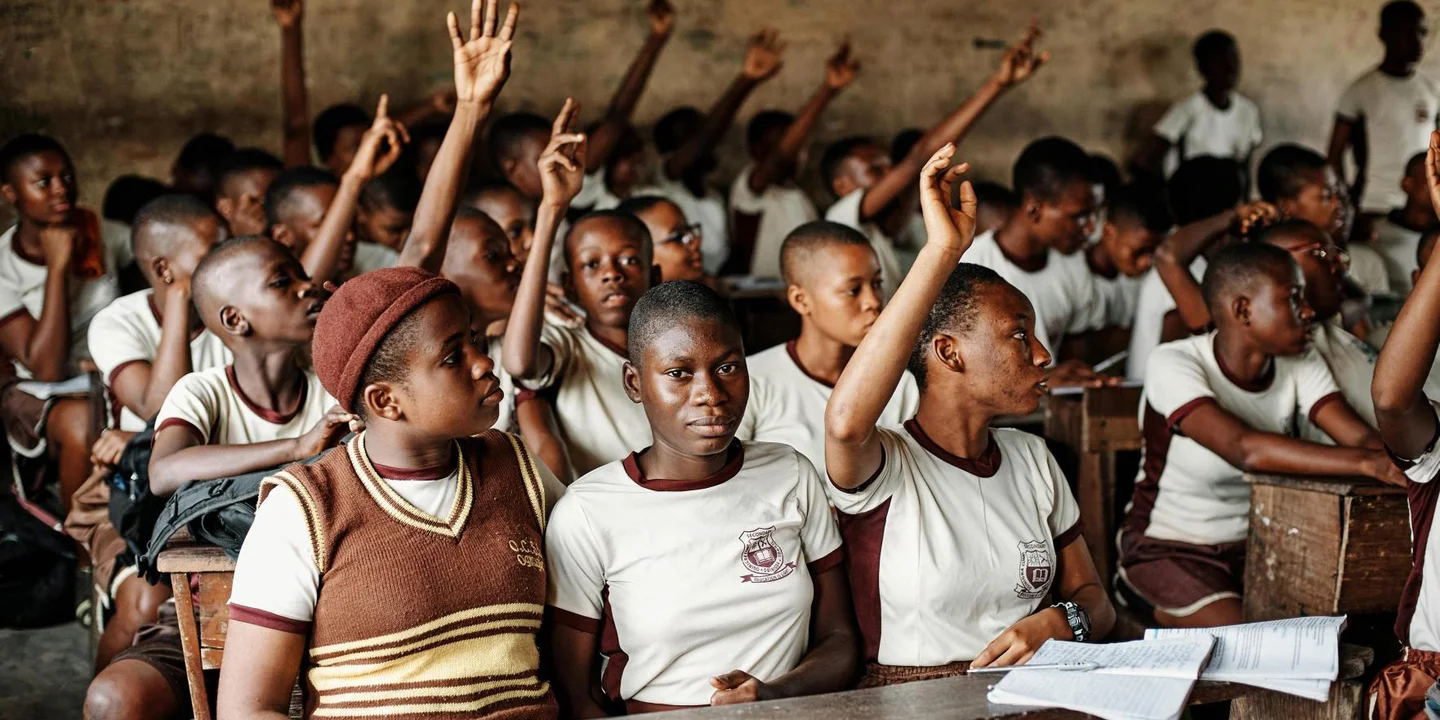
The Nigeria National Action Plan on Youth, Peace and Security (NNAPYPS) (2021)
Emerging from a youth-driven grassroots movement, the Nigeria National Action Plan on Youth, Peace, and Security (NNAPYPS) was developed in response to UN Security Council Resolution 2250, making Nigeria the first African country and second globally to adopt such a policy. It seeks to engage youth in peacebuilding and conflict prevention, focusing on vulnerabilities like unemployment and empowering young people as peacebuilders. Though still in its early stages and despite contextual challenges, NNAPYPS shows great potential and has already improved youth engagement and representation.
"In the tapestry of our shared future, peace is the vibrant thread that binds us all. This year’s award-winning policies illuminate the path forward, reminding us that our collective courage and compassion can inspire a world where every child inherits hope, not fear."
Divina Stella Maloum, Founder of Children for Peace and Jury Member of the 2024 World Future Policy Award
Further Finalists
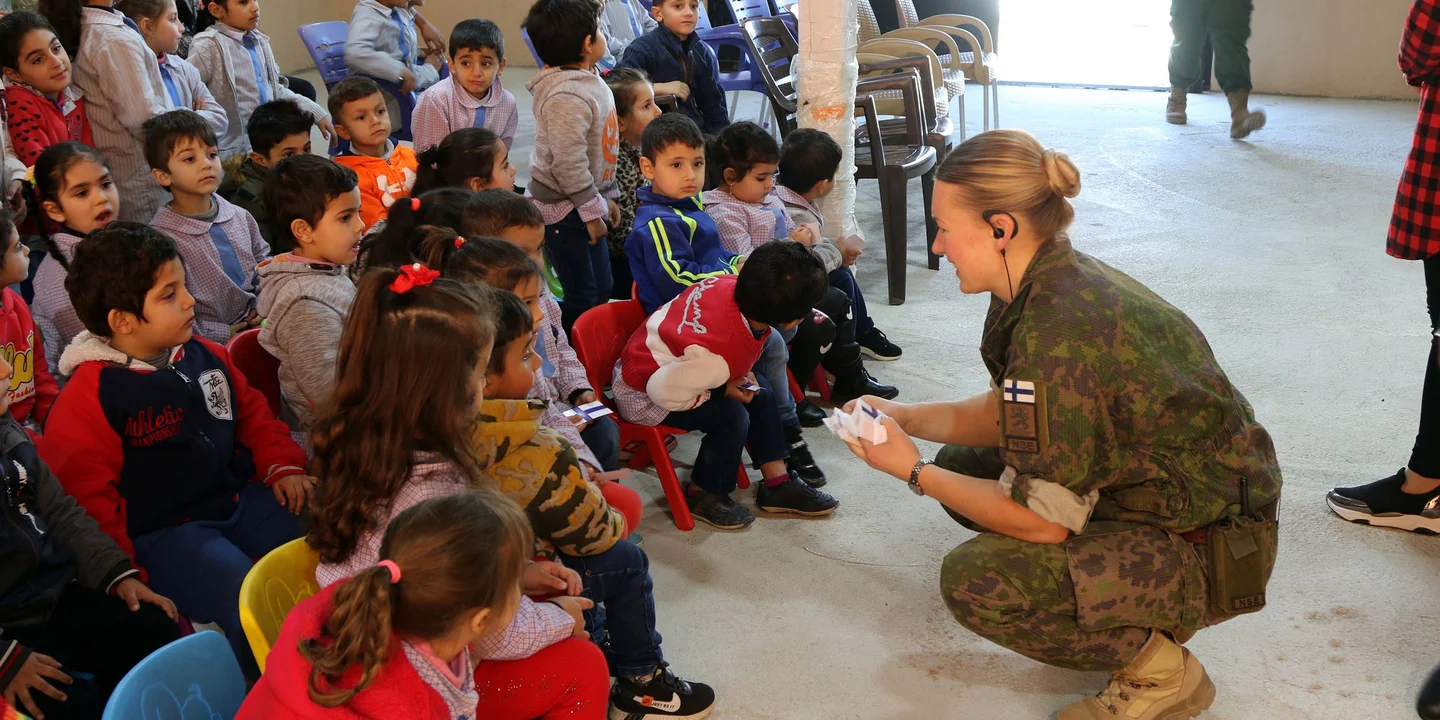
Finland's Women, Peace and Security National Action Plan (2018-2021)
Finland’s third National Action Plan (NAP) on Women, Peace, and Security strengthened gender equality in conflict prevention and peacebuilding by promoting women’s participation in peace processes, integrating gender perspectives across security sectors, protecting women and girls in conflict zones, and involving men and boys in the peace process - recognising gender equality as a shared responsibility. Aligned with UN Security Council Resolution 1325, this NAP built on previous plans while addressing emerging global security challenges, exemplifying Finland’s leadership in the Women, Peace, and Security agenda.
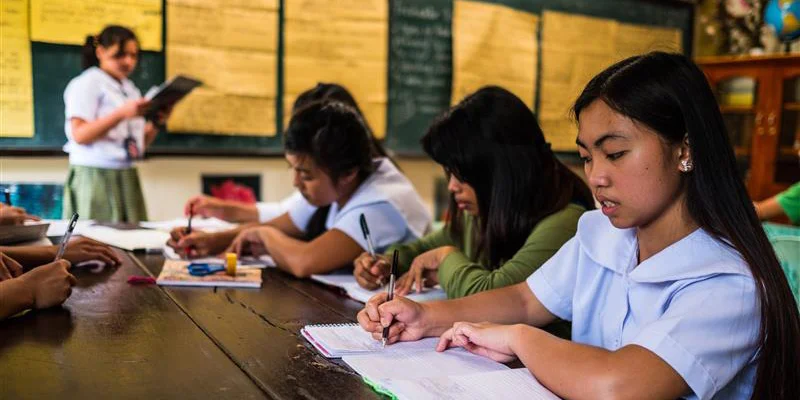
Philippines’ Peace Education - Executive Order No. 570 (2006)
Executive Order No. 570, implemented in the Philippines in 2006, institutionalises peace education in basic and teacher education. Its goal is to promote a culture of peace by equipping students and educators with non-violent conflict resolution skills. The policy integrates peace education into the formal curriculum and fosters collaboration among government agencies, NGOs, schools and universities. Key outcomes include reduced school violence and the empowerment of educators and students to address the root causes of conflict, contributing to national unity and social cohesion.
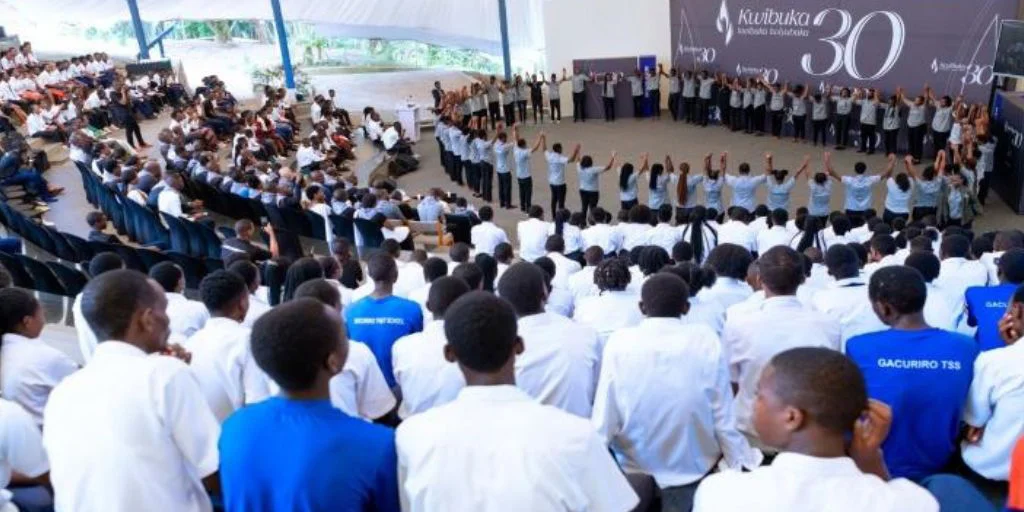
Rwanda Peace Education Programme (2013)
Rwanda’s Peace Education Programme (RPEP) promotes peace, social cohesion, and reconciliation following the 1994 genocide against the Tutsi. It integrates Peace and Values Education into the national curriculum, focusing on empathy, critical thinking, and conflict prevention. The programme uniquely employs a Competence-Based Curriculum (CBC) and narrative-based teaching, using survivor testimonies to deepen understanding of peacebuilding. Key outcomes include improved social cohesion and a stronger culture of reconciliation, offering valuable lessons for other post-conflict nations.

Switzerland’s Active Neutrality Policy
Declared in 1815 and embedded in the Swiss Constitution in 1848, Switzerland’s Active Neutrality Policy combines military neutrality with proactive diplomacy, peacemaking (mediation), humanitarian aid and promotion of international humanitarian law (e.g., through the International Committee of the Red Cross). Through this policy, Switzerland has contributed remarkably to international conflict resolution, global adherence to international law applicable in armed conflict, humanitarian assistance and development, which has also reinforced domestic and regional stability and security.
"In an increasingly polarized world, recognising and rewarding initiatives and policies that promote peace is more important than ever. Identifying the factors that lead to peace is also a crucial contribution to future generations. The World Future Policy Award brings an important contribution to this endeavor. A better future is within our reach."
Dr. Jean-Marc Rickli, Head of Global and Emerging Risks at the Geneva Centre for Security Policy and Jury Member of the 2024 World Future Policy Award
We need effective peace policies now!
Enduring peace is essential for sustainable development and the protection of people and the planet. As global conflicts and militarism continue to escalate, the World Future Council dedicated the 2024 World Future Policy Award to addressing this critical challenge.
Solutions exist and need to be amplified
Innovative, effective, and sustainable policies that resolve conflict, prevent war, foster a culture of peace, and protect the well-being of future generations are critical for both humanity and the planet. These policies exist, but they are often not well known and are too few and far between to shift the dominant paradigm from militarism to peace.
Through the 2024 World Future Policy Award on Peace and Future Generations we highlight such policies to inform and influence policy makers - supported by civil society - to adopt similar approaches worldwide.
Every day we hear depressing news about wars. It's easy to feel disillusioned. The World Future Policy Award on Peace and Future Generations provides inspiration and hope that solutions exist, and a better world is possible for our children and grandchildren.
Frank Otto, Media Entrepreneur, Ambassador World Future Council
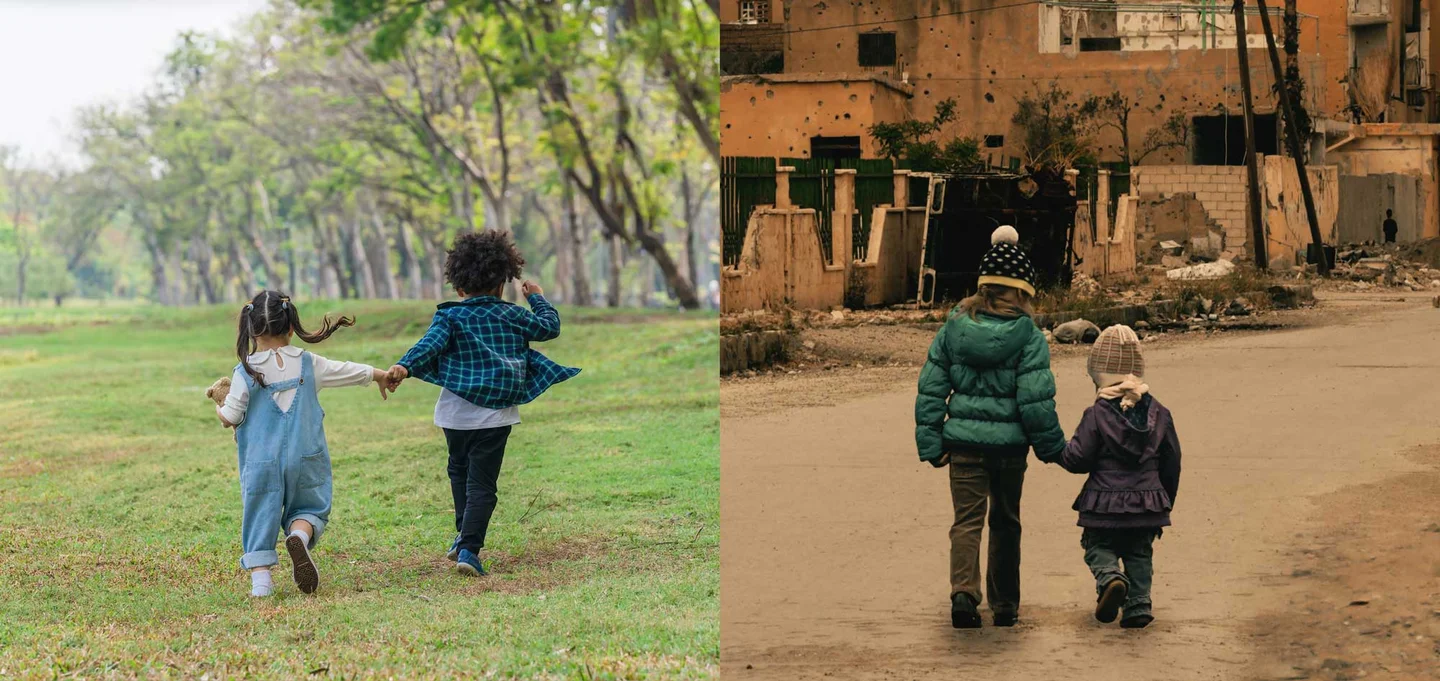
Diverse Themes and Policy Types
Peace and the protection of future generations are very broad topics, encompassing many themes and manifesting in a wide variety of policies at local, national and regional levels. This diversity made for an exciting and varied mix of nominated policies, offering a range of approaches for policymakers interested in advancing peace and future-focused initiatives.
Themes and Policy Types
- Conflict resolution and justice (including alternative, traditional, and customary methods)
- Customary law and indigenous approaches to peace and security
- Peace education
- Peace monitoring and peacekeeping
- Peace negotiations, diplomacy, and mediation
- Foreign and security policy, including feminist foreign policy
- Gender issues in conflicts and the protection of vulnerable groups
- Reintegration of former combatants into society
- Violence prevention
- Future generations' institutions, representatives and legislation
- Sustainability and peace in space, including space technology regulation
- Elevation, protection, and opportunities for youth and conflict victims
Why is this topic so important?

Global Surge in Armed Conflicts and Displacement
Today, our world faces its largest number of armed conflicts since 1946, with a quarter of the global population now living in conflict-affected areas.
[1]
[2]
In 2023 alone, more than 170,000 lives were lost due to war and violent conflicts.[3]
Of these, over 122,000 deaths occurred in active battle, with the wars in Ukraine and Gaza as primary contributors.[4]
Forced displacement is also at record levels, with 117.3 million people worldwide having fled their homes due to conflict, persecution, and human rights violations.[5]

Widespread Human Impact: Vulnerable Populations at Risk
The impact of armed conflict reaches far beyond the battlefield, affecting both combatants and civilians, including women, children, and vulnerable groups such as indigenous peoples, the elderly, the disabled, low-income populations, internally displaced people, and refugees. Currently, one in every six children globally - around 468 million - lives in a conflict zone.
[6]
Overall, two billion people, or a quarter of humanity, reside in areas affected by conflict, while six out of seven people worldwide experience feelings of insecurity.[7]

The Environmental and Economic Toll of Conflict
The environmental cost of militarism and conflict is also staggering. Military operations account for an estimated 5.5% of global carbon emissions.
[8]
If militaries were a country, they would rank as the fourth-largest carbon emitter. The economic toll is equally severe, with the cost of armed conflict and violence exceeding $17 trillion per year, or 12.9% of global GDP.[9]
Meanwhile, pressing global issues like militarisation, extremism, and climate change threaten to worsen these figures in the years ahead.Award-Winning Policies...
- Demonstrate best practices in policy design and execution
- Achieve measurable, impactful results
- Show proven implementation over 2-3 years
- Demonstrate adaptability to changing contexts
- Address root causes of conflict to foster lasting peace and sustainability
- Embody diversity and inclusivity in approach and impact
- Serve as exemplary models for replication
- Inspire transformation and innovation
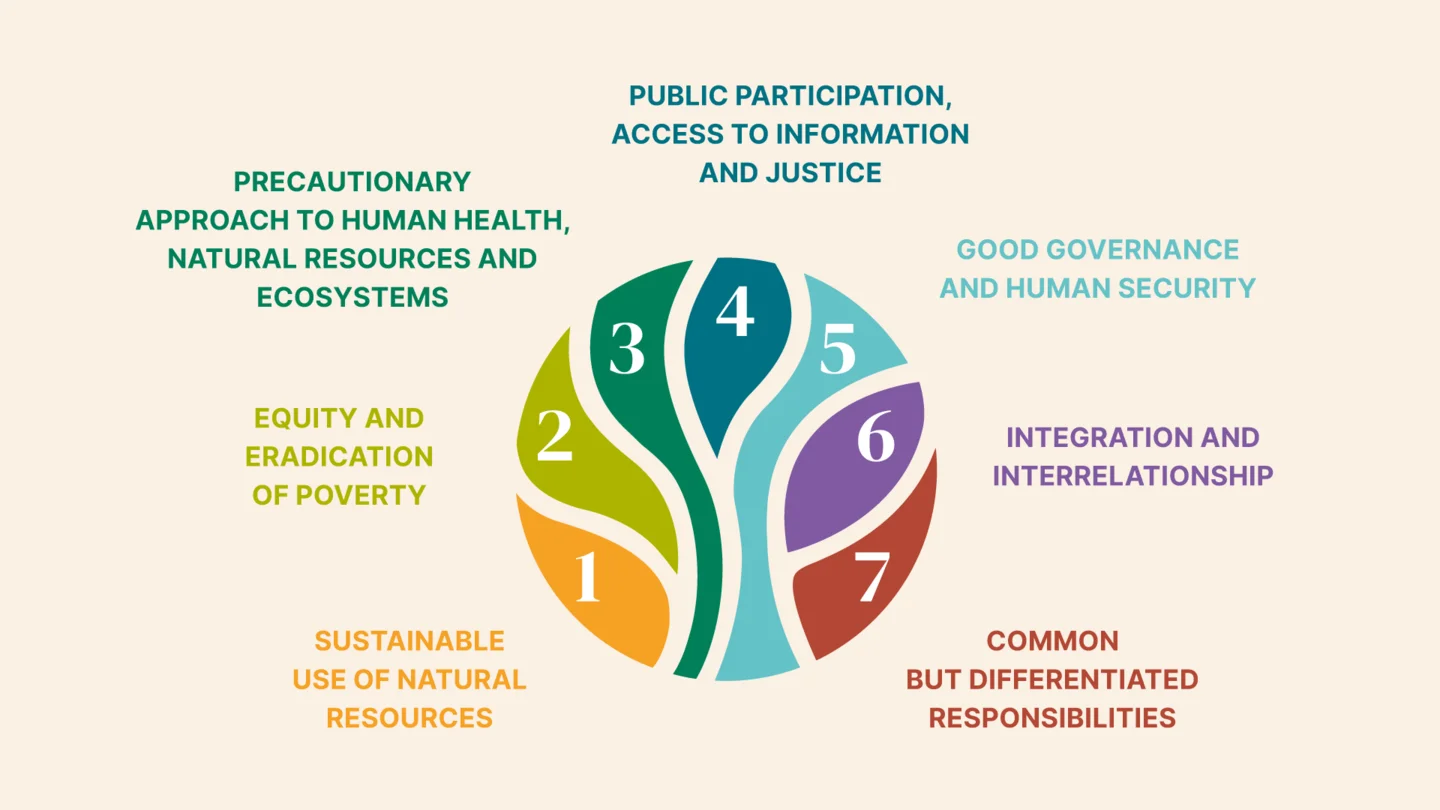
- Align with the World Future Council’s 7 Future-Just Principles for Lawmaking
Award Categories
Successful conflict resolution is a comprehensive, inclusive & non-coerced
Solutions should be tailored to local situations
Solutions should be developed by those involved in the conflict
Law often plays important roles in conflict resolution
Trust is required in third-party peacemakers
Future thinking and planning help ensure sustainable peace
Institutional representatives of future generations assist in future planning and conflict prevention
Human rights and environmental protection are integral to peace
Indigenous practices offer valuable examples of peace-making and protection of future generations
Including a gender focus is helpful in most conflict situations
Unarmed peace monitoring – a viable option for negotiations
"The winning policies, along with the honourable mentions and other nominated policies, demonstrate that smart solutions to serious conflicts exist, have been effective in forging a sustainable peace for current and future generations, and share principles that could be expanded and replicated globally."
Alyn Ware, Global Coordinator for Parliamentarians for Nuclear Non-proliferation and Disarmament. Director Basel Peace Office/World Federalist Movement, & Jury Member World Future Policy Award 2024
Canada’s Feminist International Assistance Policy (FIAP)
Since 2017, Canada’s Feminist International Assistance Policy (FIAP) has placed gender equality and the empowerment of women and girls at the core of its international development strategy. Recognising that inclusive societies are more prosperous and peaceful, FIAP employs a feminist approach to address systemic gender inequalities by promoting women’s leadership and engagement, enhancing access to education and healthcare, and fostering inclusive economic growth - all essential for reducing poverty, promoting peace, and achieving sustainable development.
Developed in consultation with over 15,000 participants across 65 countries, the policy demonstrates Canada’s strong commitment to implementing UNSCR 1325 through targeted support for gender equality, the empowerment of women and girls, and inclusive environmental protection and peace-building initiatives.
Click "Accept" to load the video from YouTube. YouTube may collect personal data as described in their privacy policy.
Deep DiveMore on this Policy
Anda Filip, Patricia McCullagh
Key Features
-
Feminist Approach: Includes marginalised women and girls to tackle systemic inequalities.
-
Engaging Men and Boys: Involves them in challenging harmful gender norms.
-
Innovation and Partnerships: Invests in research, fosters innovation, and partners across sectors to enhance aid effectiveness.
-
Climate Adaptation: Supports communities in adapting to climate change, empowering women in agriculture and environmental decision-making.
-
Transparency and Compliance: Enhances aid accountability through better reporting, inspections, and audits.
Achievements
-
Health and Protection: Between 2018–2020, over 6 million women and girls accessed sexual and reproductive health services, helping prevent 8 million unintended pregnancies and 2.3 million unsafe abortions.
-
Education: In 2022–2023, Global Partnership for Education (GPE)’s efforts impacted 107 million students; it distributed 56 million textbooks, trained more than 675,000 teachers and built and/or renovated 8,500 classrooms.
-
Economic Empowerment: From 2018–2020, economic empowerment projects reached over 9 million entrepreneurs, farmers, and smallholders, with 3.8 million women specifically benefiting from targeted programmes.
-
Climate Action: In 2019–2020, Canada employed 3,597 new workers in the environment sector and supported 2,754,911 people through climate adaptation projects.
-
Governance: 2019-2020, 3,594,666 individuals were involved in governance projects, and 1,702 civil society organisations were supported to advocate for human rights and governance.
-
Peace and Security: Between 2018–2020, over 176,000 peacekeepers were trained on preventing and responding to sexual exploitation and abuse, and 6,141 civil society organisations were supported in peacebuilding.
Significant Interventions
-
Iraq: Established centres for sexual violence survivors, providing emergency care and mental health support.
-
Afghanistan: Supported women leaving abusive relationships and educated communities on child marriage; progress regressed under Taliban rule.
-
Senegal: Backed women’s advocacy in innovative beekeeping, benefiting 4,560 women across agricultural sectors.
Replication and Influence
FIAP has inspired countries like Finland, France and Mexico to adopt feminist policies prioritising women’s empowerment, engagement and equality, and provides a replicable model for sustainable development. Continued and increased support for policies bringing UNSCR 1325 on Women, Peace and Security into action is crucial to advancing and protecting gender-equality worldwide.
Deep DiveMore on Canada’s Feminist International Assistance Policy (FIAP)
For sources refer to 'Deep Dive' above.
Kauswagan’s ‘From Arms to Farms’ Programme
Launched in 2010 in the municipality of Kauswagan, Lanao del Norte, Philippines, the "From Arms to Farms" programme is a transformative initiative that has successfully reintegrated over 5000 former rebel-combatants into society through sustainable agriculture. Under Mayor Rommel C. Arnado's visionary leadership, the programme addresses the root causes of conflict - poverty, distrust in governance, and historical inequalities - significantly reducing poverty rates and fostering lasting peace between Christian and Muslim communities. This innovative approach has turned a conflict-ridden area into a model of peace and sustainable development, already earning prestigious awards and national recognition.
Click "Accept" to load the video from YouTube. YouTube may collect personal data as described in their privacy policy.
Deep DiveMore on this Policy
Alexandra Wandel, Mayor Arnado Rommel
Key Features
-
Comprehensive Training: Provides extensive training in organic farming and financial literacy to empower participants with sustainable livelihoods.
-
Mutual Trust Building: Integrates community dialogues and conflict resolution training to address historical grievances and foster reconciliation.
-
Transparent Governance: Bi-weekly meetings with community leaders to gather feedback, ensure transparency and public participation.
-
Innovative Reintegration: Focuses on reintegration through agriculture and poverty-reduction, addressing root causes of insurgency.
-
Community-Driven Development: Emphasises local needs and broad participation, ensuring the initiative is community-led and sustainable.
-
Sustainable Demilitarisation: Former rebel-combatants integrated into civilian life to prevent a return to armed civil conflict.
Achievements
-
Significant Poverty Reduction: Decreased poverty rates from 80% in 2010 to 9.1% by 2020.
-
Peace and Stability: No armed conflict-related crimes reported since 2012.
-
Agricultural Development: Cultivated 6000 hectares of previously abandoned land, enhancing local food security.
-
Organic Production: All 13 of Kauswagan’s villages are now 100% organic.
-
Economic Gains: Former combatants and their families experienced significant economic improvements.
-
Visionary Leadership: Mayor Arnado's outstanding leadership has been central to the programme's success, transforming Kauswagan into a model of peace and development.
-
Recognition: Received the “Galing Pook” award in 2014 and was recently named the most peaceful, innovative and efficient municipality in the Philippines.
Replication and Influence
The "From Arms to Farms" programme holds immense potential for replication as it simultaneously addresses poverty, sustainable peace, security, and sustainable development. Its success has already inspired other regions in Mindanao and the Visayas to adopt similar approaches. By effectively tackling socio-economic and political root causes through sustainable agriculture, the programme demonstrates how integrated solutions can foster lasting peace and prosperity in other conflict-affected areas worldwide.
Deep DiveMore on Kauswagan’s ‘From Arms to Farms’ Programme
For sources refer to 'Deep Dive' above.
The Moriori Peace Covenant (Nunuku’s Law)
On New Zealand’s remote Chatham Islands (Rēkohu), the Moriori people - originally a warrior society - established Nunuku’s Law in the 15th century, a Peace Covenant forbidding violence and promoting environmental harmony. In 1835, when Māori tribes Ngāti Tama and Ngāti Mutunga from Taranaki (mainland New Zealand) invaded Rēkohu, the Moriori courageously upheld their commitment to Nunuku’s Law, choosing non-violence and integrity over violent resistance.
Initially, this choice came at a heavy cost: hundreds were killed, and survivors faced enslavement by Māori and continued discrimination under subsequent New Zealand (European) rule. However, the powerful spirit of Nunuku’s Law endured. From the 1980s, the Moriori launched a cultural revival centred on their Peace Covenant, securing land rights and cultural recognition from the New Zealand government, and taking leadership in peace promotion in New Zealand and globally. Grounded in history yet vibrant in modern practice, the Covenant stands as a living customary law that preserves Moriori heritage and offers a powerful indigenous model for non-violence, the promotion of peace, environmental stewardship, and sustainability.
Click "Accept" to load the video from YouTube. YouTube may collect personal data as described in their privacy policy.
Key Features
-
Longevity and Inspiration: FFor around 700 years, Nunuku’s Law has remained a guiding “Miheke” (untarnished treasure), inspiring future generations.
-
Holistic Approach: Shapes all aspects of Moriori life, embedding peace, social harmony, and sustainable practices.
-
Resource Sharing and Equality: Promotes fairness, dignity, and respect through shared resources.
-
Art and Music: Celebrates creative expression as central to peace and identity.
-
Active Non-Violence and Education: Promotes non-violence and educates on peaceful conflict resolution.
-
Inclusivity: Applies peace principles to all ages, genders, and backgrounds.
-
Future Generations: Ensures values are passed down to secure the Covenant’s continuity.
Achievements
-
Cultural Revitalisation: Reclaiming Moriori culture with educational resources, cultural initiatives, and the Kōpinga Marae meeting centre.
-
Environmental Conservation: Restoring ecosystems with 200,000+ native trees, protected bird species, permaculture, and species control.
-
Historical Reconciliation and Repatriation: Addressing past injustices, reclaiming ancestral remains, and correcting histories through public education and exhibitions.
-
Legal Settlements: Secured formal apologies, land returns, and reparations through the 2020 Deed of Settlement and 2021 Claims Settlement Act.
-
Education and Advocacy: Co-founded the Aotearoa New Zealand Peace and Conflict Studies Centre (Otago University) and hosted international peace events.
Replication and Influence
Though not very well-known outside New Zealand, the Moriori Peace Covenant has been transformative and inspirational. It significantly influenced New Zealand’s Parihaka movement (established by Taranaki Māori), an innovative incubator of non-violent resistance to colonial oppression, which in turn inspired global leaders like Mahatma Gandhi and Dr. Martin Luther King Jr.
It provided the basis for Moriori to lead in the establishment of New Zealand’s National Centre for Peace and Conflict Studies, and international peace events to be hosted on Rēkohu. Today, promoted globally by the Moriori Imi Settlement Trust and Hokotehi Moriori, Nunuku’s Law offers an enduring framework for reconciliation and non-violent conflict resolution, contributing to invaluable indigenous discourse on peacebuilding and sustainability.
Deep DiveMore on the Moriori Peace Covenant (Nunuku’s Law)
For sources refer to 'Deep Dive' above.
Deep DiveMore on this Policy
Sophie Wadsworth, Alyn Ware
The Well-being of Future Generations Act (Wales) 2015
The Well-being of Future Generations (Wales) Act 2015 is a pioneering policy that centres the well-being of future generations in public decision-making in Wales. It mandates public bodies to consider long-term impacts, advancing economic, social, environmental, and cultural sustainability. With legal accountability and a whole-system approach involving community engagement, the Act positions Wales as a global leader in sustainable development aligned with the UN Sustainable Development Goals (SDGs).
Click "Accept" to load the video from YouTube. YouTube may collect personal data as described in their privacy policy.
Key Features
-
Whole-System Approach: Fosters collaboration across public sectors, guided by seven interconnected well-being goals.
-
Sustainable Development Principles: Defines in legislation that public bodies meet the needs of current generations without compromising the ability of future generations to meet their needs.
-
Application: Emphasises long-term thinking, prevention, integration, collaboration, and involvement in alignment with the SDGs.
-
Independent Commissioner: Appoints a Future Generations Commissioner to advise, provide recommendations, carry out research and monitor progress.
-
Legal Accountability: Enforces sustainable outcomes, with compliance monitored through audits and public reporting.
-
Cultural Preservation: Protects Welsh culture, language, and heritage as vital to social cohesion and identity.
Deep DiveMore on this Policy
Derek Walker, Megan Davies Coulson, Alexandra Matas
Achievements
-
Sustainable Transport: A new transport strategy for Wales that prioritises sustainable travel and aims for 45% of journeys to be made by walking, cycling, or public transit by 2040. The Act helped halt a motorway that would have burdened future generations with £1.4 billion of debt and introduced a review of all roadbuilding, directing more investment into active travel.
-
Education for Global Citizenship: The Curriculum for Wales prepares students to be ethically informed Welsh and global citizens, focusing on sustainability, climate literacy, and mental well-being, fostering awareness of global issues and UN SDG principles.
-
A New Way to Define Prosperity: Progress is evaluated based on well-being rather than GDP, and government and public bodies must, by law, deliver fair work and a low-carbon society.
-
Accelerating Climate Action: Wales was the first nation and parliament to declare a climate emergency and ranks second globally in recycling rates.
-
Social Equality: Swansea Council’s housing strategies moved nearly 1,100 households to permanent accommodation during the COVID-19 pandemic.
-
Sustainable Economic Growth: Catalysed a well-being economy, with over 2,150 businesses involved in green initiatives through the Green Growth Pledge.
-
Environmental Progress: Converted food waste from 22 local authorities into 7 MW of energy, enough to power 12,000 homes, and installed 62 EV charging points across Gwent.
Replication and Influence
The Act has inspired similar efforts, with institutional representatives for future generations already established in Gibraltar and Malta, about to be established in the European Union and at the United Nations, and under consideration in Scotland, Ireland and Japan. In 2024, the UN announced the appointment of a special envoy for future generations. This underscores the Act’s global influence and model for ensuring that the rights and wellbeing of future generations are protected in decision-making and policy planning today.
Deep DiveMore on the Well-being of Future Generations Act (Wales) 2015
For sources refer to 'Deep Dive' above.
Costa Rica’s Abolition of the Army (1948) and Affirmation of Active Neutrality (1983 and 2014): A Clear Path to Regional and International Peace
Costa Rica abolished its army in 1948, embedding this in the Constitution (Article 12). This was followed by the Proclamation of Active, Unarmed, and Perpetual Neutrality in 1983; Supreme Court rulings in 2004 and 2008 that secured neutrality and the right to peace as part of the constitutional framework; and the 2014 Proclamation of Peace as a Human Right and of Costa Rica as a Neutral Country. These milestones removed military influence from politics, promoted international peace, and redirected military spending towards social and economic development.
As global leader in peace and disarmament, Costa Rica has resolved disputes diplomatically, including cases with Nicaragua at the International Court of Justice, played a central role in the Central American Peace Process and led on a number of United Nations peace and disarmament initiatives including the Arms Trade Treaty, the Treaty on the Prohibition of Nuclear Weapons and the UN Declaration on the Right to Peace. Its neutrality has fostered regional stability, democracy, and a culture of peace.
Key Features
-
Demilitarisation: Article 12 formally abolished the military as a standing institution in 1949. Although it allows armed forces to be re-established in extreme cases like invasion, this has never been invoked.
-
Active Neutrality: The government enforces active neutrality with oversight provided by the Legislative Assembly and Supreme Court.
-
Democracy and Internal Public Security: Internal security and public order are maintained by a police force under civilian oversight, preventing military involvement in domestic security.
-
Bilateral and Regional Conflict Resolution: The policy manages bilateral and regional disputes through diplomacy and peaceful methods, emphasising non-military solutions.
-
International Advocacy: The policy enables Costa Rica to lead and participate actively in global peace initiatives.
-
Social Investment: Resources typically allocated to the military are redirected towards social infrastructure, education, economic development, and public health.
-
Peace, Culture and Education: Peace education is integrated across all school levels, promoting a culture of peace, supported by institutions like the Costa Rican Institute for Neutrality, Peace and Democracy and the United Nations University for Peace.
Achievements
-
Sustained Absence of Armed Forces: Costa Rica has maintained its military abolition despite external threats, such as Nicaragua’s 1955 invasion and the 2010 occupation of the San Juan Islands, resolving these conflicts diplomatically or through the International Court of Justice.
-
Non-production of Weapons of War: The government has largely upheld its policy on the non-production of weapons of war. The Supreme Court annulled permits for thorium and uranium exports after a citizen-led case found they risked military use.
-
Active Neutrality: Costa Rica consistently upholds neutrality, notably withdrawing from the US-led ‘Coalition of the Willing’ in Iraq after a citizen-led Supreme Court case forced the government to comply.
-
Bilateral and Regional Conflict Resolution: The policy has effectively resolved regional conflicts through diplomacy, highlighted by Costa Rica’s role in the Esquipulas Peace Agreement and legal disputes with Nicaragua.
-
Social Investment: Savings from abolishing the military have funded social development, with GDP growth rising from 1.31% (1920–49) to 2.44% (1951–2010), alongside improvements in social welfare, including one of Latin American’s highest life expectancies (77 years old in 2024).
-
Legal Oversight: The Supreme Court upholds government accountability to neutrality and the right to peace through its rulings.
Constraints on Implementation: Policy enforcement faces challenges from resource limitations, political accountability issues in the region, and inter-state drug trafficking.
Replication and Influence
Costa Rica shows that neutrality and demilitarisation are possible in a conflict-prone region, using diplomacy and law to ensure security. Its model has inspired countries like Panama, Iceland, Dominica, and Grenada to explore similar approaches.
Deep DiveMore on Costa Rica’s Abolition of the Army and Affirmation of Active Neutrality
For sources refer to 'Deep Dive' above.
Deep DiveMore on this Policy
The Great Law of Peace of the Haudenosaunee Confederacy - Gaya•neñ•hsä•
Established in the 12th-13th centuries, the Great Law of Peace united the Haudenosaunee nations - the Mohawk, Oneida, Onondaga, Cayuga, Seneca, and Tuscarora - ending armed conflict between them. The federal governance system established by the Law continues to be practised by the tribal councils today, albeit constrained by US and Canadian federal law. It prioritises peace, consensus decision-making, sustainability, shared responsibility, gender equity through Clan Mothers, and environmental stewardship. It features a restorative justice system and a leadership model where women select and hold leaders accountable.
Emphasising intergenerational responsibility, the Great Law of Peace fosters enduring peace and stability between the Haudenosaunee nations and with other native American nations. The federalist governance structure established by the Law has been recognised by the US Congress as an inspiration for the US Federal system.
Key Features
-
Consensus-Based Governance: Decision-making occurs at clan, nation, and confederacy levels, ensuring subsidiarity and shared leadership.
-
Role of Clan Mothers: Clan Mothers select and oversee Hoyane (Chiefs, Men of the Good Mind), holding them accountable for upholding the values of the Confederacy.
-
Symbolism of Unity: The Tree of Peace represents harmony among the nations, and the Eagle serves as a protector against threats.
-
Restorative Justice and Condolence Ceremonies: Conflict resolution emphasises healing and reconciliation over punishment.
-
Sustainability and Resource Management: The "One Dish, One Spoon" is a treaty and guide between the Haudenosaunee and Anishinaabe/Anishinabel, it is symbolised by a Wampum Belt, that emphasises shared land use, mutual respect, and sustainable resource use.
Achievements
-
Lasting Peace: Ended intertribal warfare.
-
Model of Gender Equity: The Haudenosaunee system inspired early suffragists, including Matilda Joslyn Gage, in advocating for women’s political rights.
-
Environmental Advocacy: The Confederacy remains active in environmental protection, opposing fracking and preserving sacred lands.
-
Influence on International Law: The Haudenosaunee played a pivotal role in the creation of the UN Declaration on the Rights of Indigenous Peoples (UNDRIP).
-
Democratic Influence: Elements of the U.S. Constitution, such as federalism and representative governance, were influenced by Haudenosaunee principles.
Replication and Influence
The Great Law of Peace has shaped modern democratic principles and federal governance structures. It has empowered Haudenosaunee leaders to advocate for Indigenous rights globally, influencing initiatives like the UN Declaration on the Rights of Indigenous Peoples and the Permanent Forum on Indigenous Issues. Its emphasis on collaborative leadership and community-driven decision-making provides timeless insights for contemporary governance challenges.
Deep DiveMore on the Great Law of Peace of the Haudenosaunee Confederacy - Kaianere'ko:wa
For sources refer to 'Deep Dive' above.
Deep DiveMore on this Policy
Supporting Bougainvillean-Owned Peace: The New Zealand-Led Pacific Partnership for Peace Monitoring and Mediation (1997-1998)
The Bougainville peace process stands as a uniquely successful example of regionally supported, locally-led conflict resolution. The New Zealand-led Pacific Partnership for Peace (1997-1998) was instrumental in this process, following nearly a decade of devastating civil war that claimed 10% of Bougainville’s population and where multiple prior peace efforts had failed to stop the fighting.
The initiative's main components - the Burnham Talks (held in New Zealand) and the Truce Monitoring Group (led by New Zealand with personnel from Fiji, Vanuatu, and Australia) - employed a 'light intervention' approach, marked by inclusivity, cultural sensitivity, and innovative diplomacy. Unarmed monitors provided stability for the truce and the subsequent locally-led ceasefire. This intervention helped lay the groundwork for the 2001 Peace Agreement, paving the way for a sustainable end to armed conflict and a peaceful political process.
Key Features
-
Light Intervention & Local Ownership: Bougainvilleans led their own peace process, with external actors facilitating but not imposing solutions.
-
Unarmed Peace Monitoring: Upon the request of the Bougainvillean's the Truce Monitoring Group (TMG) entered without weapons, fostering mutual trust and preventing escalation.
-
Cultural Sensitivity & Inclusivity: The process respected traditional reconciliation mechanisms, prioritised grassroots engagement, included culturally and gender-diverse personnel, prioritised local language skills, and advanced the role of women.
-
Pacific-Led Regional Cooperation: New Zealand partnered with Fiji, Vanuatu, and Australia, to support Bougainville and Papua New Guinea. This provided a Pacific solution for a Pacific problem.
-
Transparency: The TMG headquarters were fully open to the community, promoting accountability and trust.
-
Women’s Leadership in Peacebuilding: Bougainvillean women played a key role in grassroots peacebuilding efforts throughout the war. Their inclusion in the Burnham Talks was a key step – with the women in attendance suggesting the unarmed intervention.
Achievements
Bougainville has sustained peace for 28 years since the end of the conflict.
-
Laying the Groundwork for Peace: The Burnham Talks (July 1997) led to the first unified intra-Bougainvillean truce agreement and the peaceful release of six Papua New Guinean (PNG) hostages. This was followed by the Burnham Truce (October 1997) and Lincoln Agreement (1998), which secured a formal ceasefire with Papua New Guinea
-
Locally Led Peacebuilding and Governance: Bougainvilleans secured lasting peace by taking ownership of disarmament, the ceasefire, and political negotiations. They went on to draft their own constitution, establish the Autonomous Bougainville Government (ABG) in 2005, hold democratic elections, and conduct a successful referendum on independence in 2019, in which 97.7% voted in favour — with key cooperation from Papua New Guinea and support from their Pacific partners.
-
Gender Representation Gains: Women gained increased roles in governance, including three reserved parliamentary seats and gender-equal community government structures.
-
International Recognition: The peace process has become a model example for unarmed peacekeeping and light intervention.
-
Continued Diplomatic Impact: In 2024, Sir Jerry Mateparae, former leader of the TMG, was appointed mediator by Papua New Guinea and Bougainville for ongoing independence negotiations—testament to the effectiveness and deep trust established by Sir Mateparae and the TMG.
Replication and Influence
The Bougainville peace process has influenced conflict resolution efforts in the Solomon Islands, Papua New Guinea’s Highlands, and Myanmar, while the Truce Monitoring Group’s unarmed peacekeeping model continues to be studied in New Zealand and Australia. New Zealand’s then Foreign Minister, Don McKinnon, later served as Commonwealth Secretary-General from 2000 to 2008. In this role, Sir McKinnon actively applied principles learned in Bougainville to help mediate international disputes - for example, by selecting culturally appropriate mediators.
Caveat on Attribution: While the Pacific partners played a key supporting role, the primary credit for the success of the process belongs to the Bougainvilleans for creating and sustaining peace, with essential cooperation from the Papua New Guinean government.
Deep DiveThe New Zealand-Led Pacific Partnership for Peace Monitoring and Mediation (1997-1998)
For sources refer to 'Deep Dive' above.
Deep DiveMore on this Policy
The Nigeria National Action Plan on Youth, Peace, and Security (NNAPYPS)
Launched in 2021, the NNAPYPS emerged from a grassroots youth and civil society movement under challenging conditions, a landmark achievement for youth advocacy in peacebuilding. Responding to UN Security Council Resolution 2250, youth in Nigeria successfully campaigned for the government to adopt the NNAPYPS. The policy focuses on five pillars - participation, protection, prevention, partnership, and reintegration - to address youth unemployment, violence, and social exclusion, and to empower youth as peacebuilders. The policy transforms perceptions of Nigeria's youth - 60% of the population - from instigators of violence to contributors for peace.
The Plan received a 2024 WFPA Vision Award recognising youth and civil society's outstanding role in its creation, alongside collaborative government efforts to begin realising its transformative potential.
Click "Accept" to load the video from YouTube. YouTube may collect personal data as described in their privacy policy.
Deep DiveMore on this Policy
Olubunmi Olusanya, Frank Otto
Key Features
-
Youth-Driven Process: Youth and civil society led the NNAPYPS development, mobilising support and engaging top officials to secure national commitment and ensure young people’s involvement in the plan’s creation.
-
Pilot Phase (2021–2024): Capacity development in all 36 states and the Federal Capital Territory, with piloting in six.
-
Five Pillars: Focus on Participation, Protection, Prevention, Partnership, and Reintegration.
-
Youth Empowerment Initiatives: Vocational training and entrepreneurship programmes address unemployment.
-
Intergenerational Governance and Youth Inclusion: The Nigeria Coalition on Youth Peace and Security (NCYPS) co-chair model includes government, civil society, and youth, ensuring inclusive decision-making, fostering mutual learning, and reshaping governance narratives; replicated at state levels.
-
Private Sector Engagement: Recommends involving industries like mining, oil, and agriculture with a 'Do No Harm' approach.
-
Policy Review: Annual assessments guide adjustments; a full-scale review is planned for 2025.
Achievements
-
Leadership Example: Nigeria became the first African nation and second globally to implement UNSCR 2250, setting a precedent.
-
Civil Society Collaboration: Over 1,000 NCYPS organisations coordinate the agenda through meetings and state-level coalitions.
-
Workplan and State Action Plans: A three-year workplan supported progress in pilot states and has expanded consultations to eight more.
-
Capacity Building and Awareness: Workshops strengthened YPS skills, while media campaigns - including press engagements, six live radio call-in programs, and two television broadcasts - reached over 40 million Nigerians.
-
Outstanding Funding Advocacy: Youth and civil society secured government and international funding, including €400,000 from the EU.
-
Support for Young Women: In Adamawa State, a Spotlight Initiative addresses violence against women and girls through a Second Chance Education Programme, reaching 4,500 learners with support from 90 facilitators and 50 skills learners.
-
Conflict Prevention: Youth and law enforcement collaborate in Kaduna through early warning systems to prevent conflicts and improve relations.
Implementation Challenges
Challenges include a lack of safe spaces, limited capacity, underfunding, external interference, and bureaucratic hurdles. Nigeria's size and vast youth population add complexity; scaling up requires more funding, government engagement, transparency, and accountability.
Replication and Influence
The NNAPYPS is a pioneering model and Africa’s first National Action Plan on Youth Peace and Security. In 2022, the Democratic Republic of Congo launched its own NAP, reflecting a broader movement toward youth inclusion and gender equality in peacebuilding. NNAPYPS’ approach offers a replicable blueprint for nations addressing youth vulnerability to conflict, demonstrating the potential impact of youth empowerment on sustainable peacebuilding.
Deep DiveMore on the Nigeria National Action Plan on Youth, Peace, and Security
For sources refer to 'Deep Dive' above.
Finland's Women, Peace and Security National Action Plan (2018-2021)
Finland’s third National Action Plan (NAP) on Women, Peace, and Security built on previous plans to enhance gender equality in conflict prevention and peacebuilding. It prioritised women’s participation in peace processes, mediation, gender mainstreaming in security sectors, and the protection of women and girls in conflict zones, while addressing new global security challenges. Aligned with UN Security Council Resolution 1325 the plan exemplifies Finland’s leadership in the international Women Peace and Security agenda, with strong civil society involvement ensuring an inclusive and adaptable approach.
This collaborative approach, coupled with its forward-thinking adaptability to global security challenges, served as an inspiring example for nations seeking to integrate gender perspectives into peace and security frameworks.
Key Features
-
Human Rights-Based Approach: Followed a human rights-based approach, ensuring alignment with national laws like the Act on Equality between Women and Men and the Non-Discrimination Act.
-
Collaborative Development: Developed inclusively through cooperation between ministries, civil society, researchers, and crisis management experts to ensure diverse and broad participation.
-
International Legal Accountability: Strengthened its commitment to the WPS agenda through adherence to international legal instruments such as UN Security Council Resolution 1325 and the Istanbul Convention.
-
Engagement of Men and Boys: Highlighted the importance of involving men and boys in advancing gender equality and peace efforts.
-
Addressing Violent Extremism: Addressed violent extremism by recognising its gendered impacts and supporting the role of local women leaders in prevention and rehabilitation.
-
Gender-sensitive Training and Crisis Management: Promoted gender-sensitive training and integrated crisis management, supporting Finland’s active role in international civilian missions.
Achievements:
-
Increasing Women’s Leadership in Peace Processes: Enhanced women’s leadership in Nepal and Kenya. In Nepal, nearly 35,000 women have received capacity building and training for leadership roles through Finland’s collaboration with UN Women.
-
Educational Impact in Crisis Zones: Between 2019 and 2021, Finnish-supported education projects in conflict areas reached nearly 1.1 million children and youth, with 48% of the beneficiaries being girls.
-
Supporting Global Educational Reforms: Contributed to educational reforms in Ethiopia, Mozambique, Myanmar, Nepal, Palestine, and Ukraine, leading to improved teacher status, more female educators and principals, and established continuous professional development systems.
-
Leadership in Gender Equality and Crisis Management: By 2023, nearly 40% of its seconded crisis management personnel were women, up from 33% in 2019. In partnership with Spain, it has led efforts to boost women’s roles in EU missions, reinforced by joining the WPS Compact and co-chairing the Action Coalition on Gender Equality in 2021.
-
Support for Women’s Mediation and Negotiation: Finland has enhanced women’s mediation roles in North Africa and the Middle East through training and networking, notably supporting Syria’s Women’s Advisory Board to develop unified negotiation strategies.
Replication and Influence:
UNSCR 1325 served as a guiding umbrella for the implementation of NAPs across different contexts. Each country that adopts a NAP must adapt UN Resolution 1325 to its specific circumstances and laws, acknowledging that practices and outcomes will vary depending on local conflicts and sociopolitical dynamics. Finland’s NAP has been successfully replicated in Nepal and Kenya.
Deep DiveMore on Finland's Women, Peace and Security National Action Plan (2018-2021)
For sources refer to 'Deep Dive' above.
Deep DiveMore on this Policy
Philippines’ Peace Education - Executive Order No. 570 (2006)
Executive Order No. 570, implemented in the Philippines in 2006, institutionalises peace education within basic and teacher education, aiming to promote a culture of peace by equipping students and educators with non-violent conflict resolution skills. The policy integrates peace education into the formal curriculum and fosters collaboration between government agencies, NGOs, schools, and universities. By embedding peace education into the national education system, EO 570 seeks to address the root causes of conflict and encourage peaceful coexistence. The initiative has contributed to reduced school-based violence and strengthened students’ and educators’ roles in peacebuilding, particularly in conflict-affected regions such as Mindanao.
While the policy has encountered challenges in implementation, including inconsistent adoption across regions, it remains a pioneering initiative with the potential to serve as a model for integrating peace education into national curricula at all levels.
Key Features
-
Integrated Curriculum Approach: Peace education is embedded in Values Education, Social Studies, and Citizenship Education within the K-12 curriculum.
-
Mandatory Peace Education at Various Educational Levels: Peace education is integrated into primary, secondary, and higher education, with dedicated curriculum components and mandatory university courses.
-
Teacher Training & Capacity Building: Educators receive specialised training on conflict resolution, human rights, and intercultural dialogue.
-
Non-Formal Learning & Community Engagement: Extends peace education to out-of-school youth and conflict-affected communities through NGO partnerships.
-
Legislative & Institutional Support: Strengthened by inter-agency coordination, particularly through DepEd, CHED, and OPAPRU.
Achievements
-
Widespread Adoption: Over 10,000 schools implement peace education, reaching 12 million students annually.
-
Violence Reduction: A 34% drop in students' perception of fighting at school following the implementation of peace education interventions.
-
Teacher Training: 50,000 teachers trained in peace education methodologies.
-
Higher Education Integration: Mandatory peace education courses introduced in higher education, particularly in Mindanao State University’s 11 campuses.
-
Curriculum Institutionalisation: Peace education embedded in the 2023 MATATAG curriculum, with designated modules in Social Studies and Good Manners and Right Conduct.
-
Policy Coordination: The Annual Peace Education Summit strengthens inter-agency collaboration and policy integration.
Replication and Influence
Executive Order No. 570 is a leading example of institutionalising peace education at a national level, serving as a reference for countries seeking to integrate conflict resolution into formal schooling. The policy highlights the importance of long-term governmental commitment to sustaining peace education, though implementation inconsistencies and resource gaps remain challenges. Despite its success in embedding peace education into national curricula, ensuring equitable access across conflict-affected regions requires greater financial and structural support.
Deep DiveMore on Philippines’ Peace Education
For sources refer to 'Deep Dive' above.
Deep DiveMore on this Policy
Rwanda Peace Education Programme (2013)
Rwanda's Peace Education Programme (RPEP) was developed to cultivate peace, social cohesion, and reconciliation in Rwanda in the wake of the 1994 genocide against the Tutsi. It embeds Peace and Values Education (PVE) within the country’s Competence-Based Curriculum (CBC), encouraging empathy, independent thinking, and the prevention of conflict. Central to the programme is a narrative-driven methodology, drawing on survivor testimonies and historical documentation to promote a deeper understanding of peacebuilding.
RPEP has led to progress in social cohesion, reconciliation within communities, and youth engagement in peace-related initiatives. Its implementation is supported by a collaborative network of government agencies, NGOs, and international partners, ensuring both national ownership and global best practices.
While challenges remain, particularly in educator training, resource accessibility, and emotional sensitivities surrounding genocide education, RPEP has laid a strong foundation for long-term peacebuilding. The programme serves as a valuable model for post-conflict nations seeking to integrate peace education into formal learning systems.
Key Features
-
Curriculum Integration: Peace and Values Education is embedded in Rwanda’s Competence-Based Curriculum (CBC) across all levels of education.
-
Narrative-Based Learning: Survivor testimonies, workshops, and interactive methods reinforce empathy, historical awareness, and reconciliation.
-
Collaborative Design: Developed in partnership with the Aegis Trust, the Institute of Research and Dialogue for Peace (IRDP), and the Rwandan government to align with national peacebuilding objectives.
-
Youth Engagement: The Youth Champions Initiative trains young leaders to promote reconciliation in their communities and support Kwibuka, Rwanda’s annual genocide commemoration.
-
Accessibility and Inclusivity: Printable and downloadable resources ensure peace education reaches schools with limited internet access, and training for educators enhances delivery, particularly for vulnerable groups.
Achievements
-
National Curriculum Integration: PVE is now a mandatory component of the CBC, embedding peace education in all Rwandan schools.
-
Broad Outreach and Training: Outreach education workshops were conducted with more than 10,000 people in 19 communities. Over 7,500 students were trained at the Kigali Genocide Memorial, as well as 1017 teachers. 32,417 Youth participated in a National Art Exhibition showcasing their artworks created during peacebuilding workshops.
-
Strengthened Social Cohesion: Educators report improved trust, dialogue, and conflict resolution skills among students.
-
Capacity Building: 536 young leaders have been trained as Youth Champions, fostering grassroots peacebuilding efforts.
-
Archival Improvements: Enhancements in genocide documentation and education have expanded access to historical resources.
-
New Training Efforts: In 2025, Aegis Trust rolled out two key initiatives: the ASPIRE programme, which trained 1,280 pre-service teachers to promote peace and social cohesion in education, and the Peace Ambassadors Network (PAN) which trained 1,500 participants, brought together peace ambassadors and reinforced existing peace initiatives in Rwandan schools and communities.
Replication and Influence
While Rwanda’s post-genocide context is unique, the principles of RPEP, narrative-based learning, youth leadership, and community-driven peace education have been adapted in the Central African Republic and South Sudan. Aegis Trust has used this model to support locally tailored peace education initiatives in conflict-affected areas. Additionally, elements of Rwanda’s Competence-Based Curriculum (CBC) have influenced education reforms in Zambia, Tanzania, South Africa, Nigeria, Kenya, and Ethiopia, demonstrating its broader relevance.
Deep DiveMore on the Rwanda Peace Education Programme
For sources refer to 'Deep Dive' above.
Deep DiveMore on this Policy
Switzerland’s Active Neutrality Policy
Switzerland’s Active Neutrality Policy, officially declared in 1815 and enshrined in the Swiss Constitution (1848) and international law (Hague Conventions, 1907), combines military neutrality with proactive diplomacy, peacemaking (especially mediation), humanitarian aid, and the promotion of international humanitarian law. By refraining from military alliances, Switzerland has earned trust as a neutral mediator and host for peace negotiations. Swiss humanitarian aid ranks among the highest globally, and Swiss leadership in international humanitarian law is rooted in the establishment of the International Committee of the Red Cross (ICRC) in Geneva in 1863.
Key Features
-
Military Neutrality and Active Diplomacy: Switzerland safeguards its sovereignty by remaining neutral yet actively mediates international disputes, both publicly and confidentially. Swiss diplomats are trained for behind-the-scenes mediation and shuttle diplomacy, which has substantial impact despite often going undocumented.
-
Leadership in Warfare Law: Switzerland advances International Humanitarian Law, especially regarding civilian protection, shaping global standards in warfare.
-
Humanitarian Commitment: Swiss policy emphasises substantial, impartial humanitarian aid, supporting peace and stability globally.
-
Good Offices and Peace Support: The Swiss Foreign Office, through its unique ‘Good Offices,’ provides logistical and diplomatic support to facilitate peace talks, including mediation, shuttle diplomacy and safe, neutral venues for disputing parties.
-
UN Peacekeeping Participation: While prohibited from war engagement, Switzerland supports neutral UN peacekeeping efforts and, as of 2024 was active in five peacekeeping missions.
-
Adaptive Policy Framework: Regular updates ensure the policy aligns with evolving global dynamics.
Achievements
-
Conflict Mediation: Switzerland has mediated over 50 international conflicts, including the Evian Agreements (France and Algeria, 1962), the Colombian Peace Process (2012–2016), the Libyan Political Settlement (2020), and the Sudan Conflict Ceasefire (2023).
-
Advancement of International Humanitarian Law: Switzerland has significantly shaped laws of war, being instrumental in initiatives such as the Geneva Conventions and the International Committee of the Red Cross (ICRC).
-
Humanitarian Aid Leadership: Providing approximately $5 billion USD annually, Switzerland champions global humanitarian aid.
Replication and Influence
Switzerland's Active Neutrality Policy has inspired other countries, notably Austria’s adoption of neutrality in 1955 and Costa Rica’s in 1983. Its emphasis on discreet diplomacy, humanitarianism, and adaptability offers a replicable model for nations aiming to maintain sovereignty while contributing to global peace.
Deep DiveMore on Switzerland’s Active Neutrality Policy
For sources refer to 'Deep Dive' above.
Deep DiveMore on this Policy
Our Evaluation Process
In our interviews and evaluations, we used the World Future Council’s ‘World Future Policy Award Evaluation Framework’, based on the ‘7 Principles for Future-Just Lawmaking’. This framework, derived from the 2002 Delhi Declaration on Sustainable Development Law adopted by 192 states at the World Summit on Sustainable Development, offers a unique methodology for assessing sustainable policy practices.
Qualitative Research & Expert Interviews
In addition to extensive research, we conducted interviews with experts from various fields using policy narrative inquiry and the seven principles framework. A total of 55 expert interviews were conducted for the 2024 WFPA. For each pre-selected policy, we carried out in-depth interviews averaging 90 to 120 minutes with at least three key informants:
-
Policy Maker Informants: Provided insights from the perspective of the government or organisation responsible for the policy, offering knowledge of its origins, intentions, and implementation.
-
Civil Society Informants: Assessed the policy’s impact on the affected community, with an understanding of community needs and how effectively the policy addresses them.
-
Academic Informants: Contributed expert analysis on the policy's technical aspects and comparative strengths or weaknesses, based on their academic credentials and peer-reviewed research.
These informants were carefully selected to offer distinct, independent, and knowledgeable perspectives, creating a strong qualitative foundation for evaluating each policy.
"The exemplary policies recognised by the 2024 World Future Policy Award offer more than just hope for a peaceful world. They provide a practical blueprint for policymakers worldwide, showcasing adaptable solutions to today’s complex challenges."
Teresa Bergman, Senior Advisor: Strategy, Research & Policy Analysis World Future Council & Research Team Lead 2024 WFPA
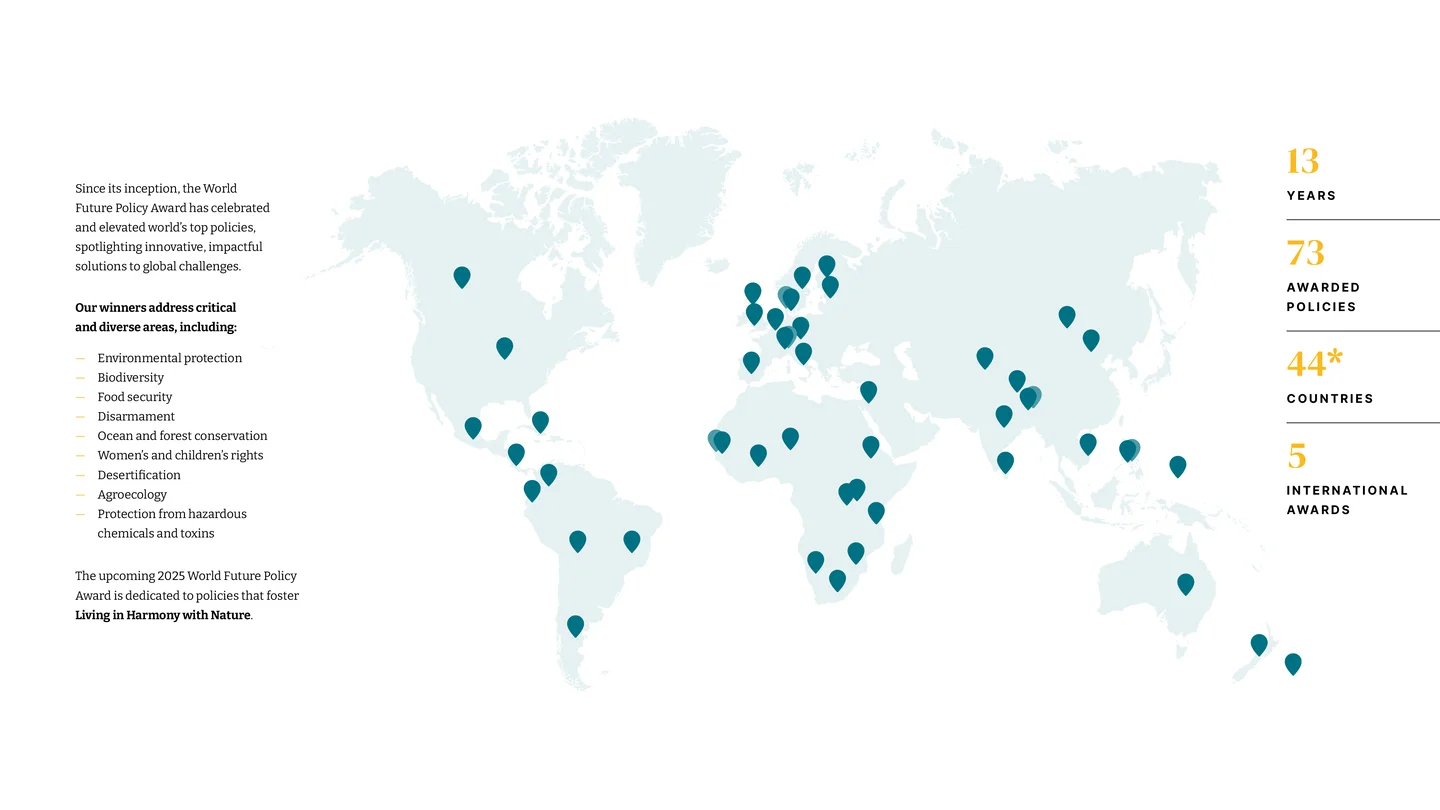
Since its inception, the World Future Policy Award has celebrated and elevated 73 of the world’s top policies from 44 countries, spotlighting innovative, impactful solutions to global challenges.
Our winners address critical and diverse areas, including environmental protection, biodiversity, food security, disarmament, ocean and forest conservation, women’s and children’s rights, desertification, agroecology, and protection from hazardous chemicals and toxins.
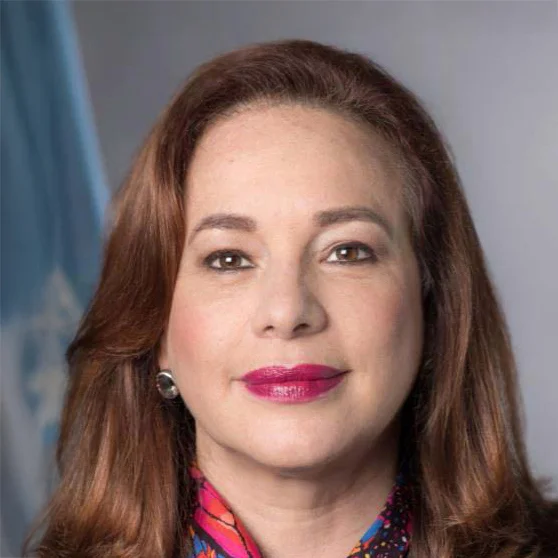
María Fernanda Espinosa (Ecuador)73rd President of the UN General Assembly. Former Foreign Minister, Defense Minister and Cultural and Natural Heritage Minister of Ecuador

Jakob Von Uexkull (Sweden/UK)Founder of the World Future Council, and the Right Livelihood Award. Co-founder of the Other Economic Summit

Divina Stella Maloum (Cameroon)Founder, Children for Peace, Winner, International Children’s Peace Prize (2019), Youth Board Member, United Nations Office on Drugs and Crime

Neshan Gunasekera (Sri Lanka)CEO World Future Council, Former Fellow at the Raoul Wallenberg Institute of Human Rights and Humanitarian Law in Lund, Sweden. Member of the Steering Committee of the Ecological Law and Governance Association

Anda Filip (Romania/Switzerland) Director of the Inter-Parliament Union Division for Member Parliaments and External Relations

Dr. H.C. Hafsat Abiola-Costello (Nigeria)President of the Women in Africa Initiative. Special Envoy to Africa for Women Political Leaders.

Alyn Ware (New Zealand)Global Coordinator for Parliamentarians for Nuclear Non-proliferation and Disarmament. Director Basel Peace Office/World Federalist Movement
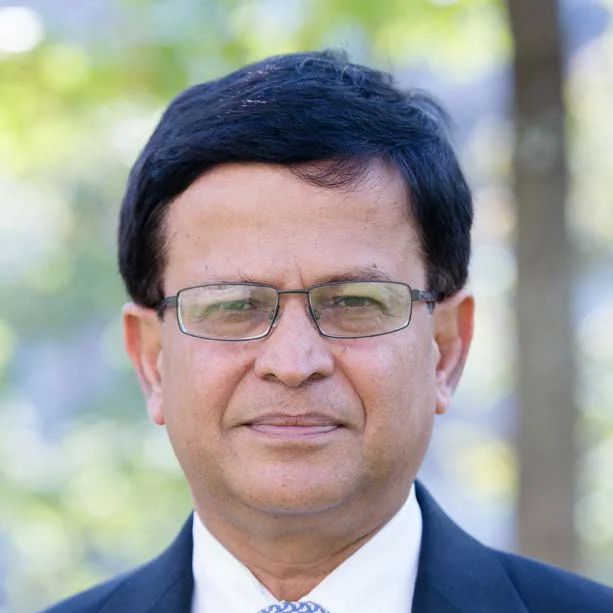
Nikhil SethExecutive Director of UNITAR (2015-present), various leadership roles at the United Nations (since 2003)

Teresa Bergman (New Zealand)Senior Advisor World Future Council, Project Manager & Research Team Lead, WFPA 2024

Bertylle Duforest (France)Research Assistant, WFPA 2024

Camila Magnani (Argentina)Research Assistant, WFPA 2024

Alexandra Wandel (Germany)Former Chair Management Board, World Future Council
Acknowledgements
The World Future Policy Award 2024 was made possible through the generosity of our benefactor, Frank Otto, to whom the World Future Council offers heartfelt thanks for his steadfast commitment.
We would also like to thank the 55 experts who graciously shared their time and insights, significantly enhancing our understanding of these policies.
This site draws largely on the World Future Policy Award 2024 Jury Report, researched and authored by Teresa Bergman, Bertylle Duforest, Camila Magnani, and Alyn Ware, under the oversight of Alexandra Wandel.